JoinRFA exists to support recreational fishing through education, policy awareness, conservation engagement, and community participation. While regulations, access issues, and fisheries science often receive public attention, lasting progress depends on people who care about protecting opportunities for future anglers.
Supporting the mission is not simply about financial contributions. It is about helping maintain a strong network of anglers, outdoor advocates, conservation supporters, and fishing communities that value public access to marine resources.
Why Support Matters
Recreational fishing contributes to local economies, outdoor recreation, conservation funding, and community identity. Yet many of the issues affecting anglers today involve long-term challenges such as access restrictions, changing regulations, habitat concerns, and fisheries management decisions.
Organizations that focus on education and advocacy help anglers stay informed about these developments. They also provide a platform for public participation and constructive dialogue around fisheries issues.
Supporting Public Fishing Access
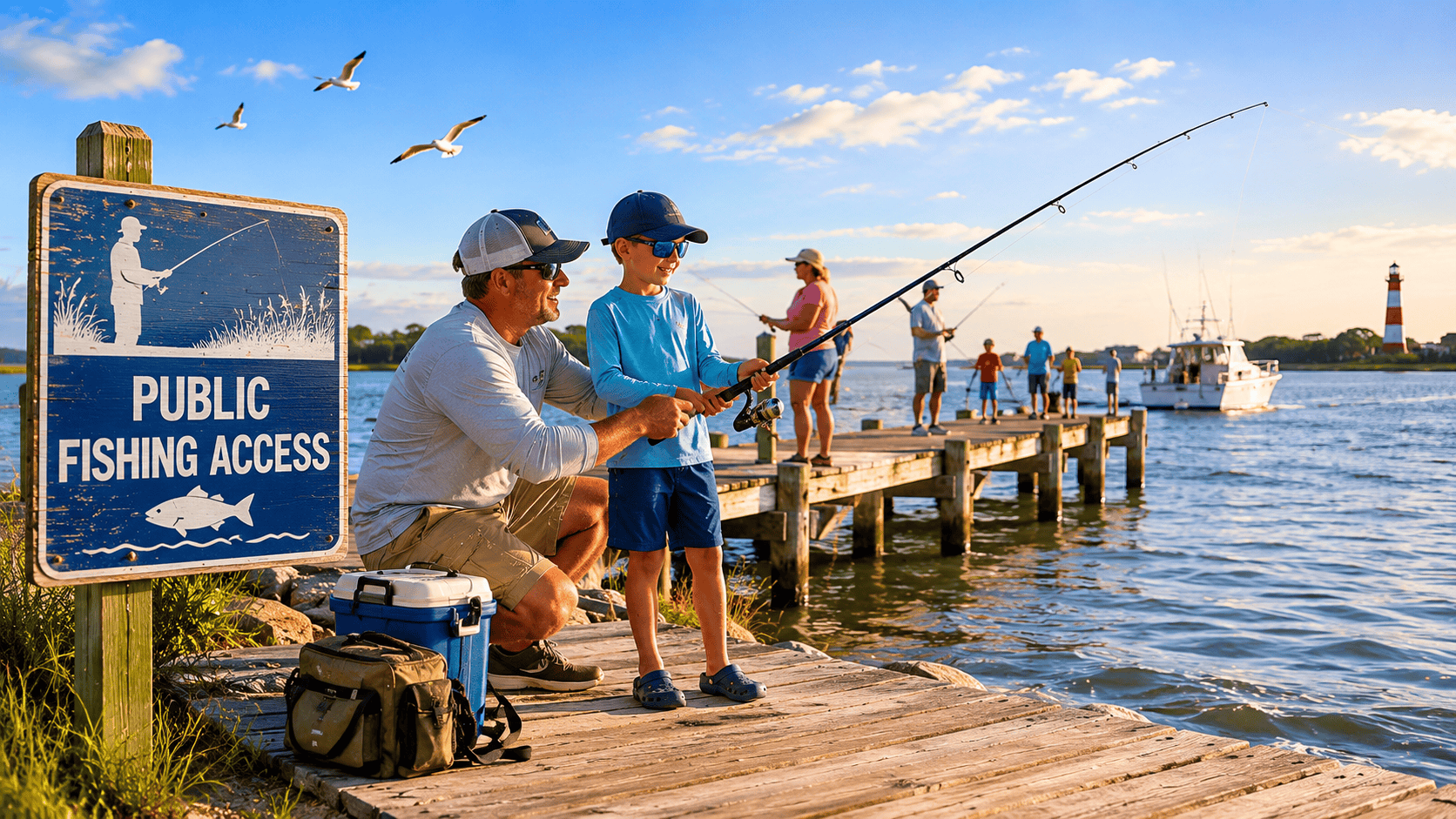
Public access remains one of the most important issues facing recreational anglers. Shorelines, marinas, boat ramps, and coastal access points all play a role in maintaining opportunities for people to enjoy public waters.
Awareness and engagement help communities understand why access matters and how local decisions can affect future fishing opportunities.
Learn more about ocean access issues and how access discussions influence recreational fishing communities.
Supporting Fisheries Policy Awareness
Fisheries policy shapes seasons, harvest rules, conservation measures, and management priorities. Many anglers encounter the results of policy decisions without understanding how those decisions were made.
Educational resources can help bridge that gap by explaining fisheries governance, regulations, and management strategies in practical terms.
Explore our growing collection of fisheries policy resources covering management reform, fishing rights, conservation measures, and recreational angler representation.
Supporting Sustainable Fishing
Sustainable fishing requires both healthy fish populations and informed fishing communities. Conservation and recreational access should work together rather than compete with one another.
By promoting science-based understanding and responsible stewardship, recreational anglers can play a positive role in supporting long-term fisheries sustainability.
Learn more about sustainable fishing practices and the importance of long-term resource stewardship.
Ways to Support the Mission
Stay Informed
Follow fisheries issues, conservation topics, and policy developments affecting recreational anglers.
Participate Locally
Support local fishing communities, events, and public engagement opportunities.
Share Resources
Help expand awareness by sharing educational content and fisheries information with other anglers.
Support Conservation
Encourage responsible stewardship and science-based approaches to fisheries management.
Community and Conservation
Recreational fishing communities are strongest when anglers remain engaged, informed, and connected to one another. Community events, conservation projects, educational initiatives, and public discussions all contribute to a healthier future for recreational fishing.
JoinRFA supports the idea that informed participation is one of the most valuable contributions anglers can make to the future of fishing.
Explore More
Why This Matters for Anglers Today
Supporting recreational fishing is ultimately about protecting opportunities for future generations. Access, conservation, education, and community engagement all play a role in maintaining strong fisheries and healthy outdoor traditions.
JoinRFA’s mission is built around helping anglers understand the issues that affect public fisheries while supporting responsible stewardship of marine resources. Whether through learning, participation, advocacy, or community involvement, support helps strengthen the connection between anglers and the waters they value.