Fishing Equipment Guide: Rods, Reels, Lines, Tackle, and Beginner Gear
A complete fishing equipment guide for choosing the right rod, reel, fishing line, tackle, bait, and essential tools for different fishing situations.
Good fishing equipment helps anglers fish with more control, comfort, and confidence. The right setup depends on where you fish, what species you target, and which fishing techniques you plan to use. A beginner fishing setup should be simple and versatile, while advanced setups can be more specialized.
This guide explains the core equipment every angler should understand: rods, reels, fishing line, hooks, lures, tackle storage, tools, and safety gear. It also connects to practical technique guides so you can match your equipment with real fishing use cases.
Why Fishing Equipment Matters
Fishing equipment affects casting distance, lure control, sensitivity, hook setting, fish fighting power, and overall comfort. A poorly matched setup can make fishing harder, even when the location and bait are correct.
For example, light spinning gear is effective for small freshwater fish and finesse presentations, while heavier baitcasting gear is better for strong fish, thick cover, and heavier lures. Matching equipment to technique is one of the fastest ways to improve fishing results.
Fishing Rods
A fishing rod controls casting, lure movement, hook setting, and fish fighting. Rods are usually described by length, power, and action.
Rod length
Shorter rods are easier to control in tight areas, while longer rods help with casting distance and line control. A 6 to 7 foot rod is a practical starting point for many beginners.
Rod power
Rod power describes how much force is needed to bend the rod. Light rods are good for small fish and light lures. Medium rods are more versatile. Heavy rods are used for larger fish, strong cover, and heavier tackle.
Rod action
Rod action describes where the rod bends. Fast action rods bend near the tip and provide sensitivity. Moderate action rods bend deeper and can be more forgiving with moving lures.
Fishing Reels
Reels manage line storage, casting, retrieval, and drag pressure. The two most common reel types are spinning reels and baitcasting reels.
Spinning reels
Spinning reels are beginner-friendly and work well with light to medium line. They are ideal for general freshwater fishing and many bank fishing situations.
Baitcasting reels
Baitcasting reels offer more power and casting control but require practice. They are useful for heavier lures, stronger line, and accurate casting around cover.
For a deeper comparison, read Spinning vs Baitcasting.
Fishing Line
Fishing line connects the angler to the fish. The main types are monofilament, fluorocarbon, and braided line.
Monofilament
Monofilament is affordable, easy to tie, and beginner-friendly. It is a good first choice for many anglers.
Fluorocarbon
Fluorocarbon is less visible underwater and often used as leader material. It is useful in clear water or when fish are cautious.
Braided line
Braided line is strong, thin, and sensitive. It works well around vegetation and cover, but beginners should learn proper knots before relying on it.
Hooks, Lures, and Terminal Tackle
Terminal tackle includes hooks, sinkers, swivels, snaps, bobbers, jig heads, and other small items that connect bait or lures to the line. These small pieces have a major effect on presentation.
Hooks should match the bait and fish size. Lures should match fish behavior, water depth, and clarity. A beginner tackle box should include only the essentials at first, then expand as skill improves.
Beginner Fishing Equipment Checklist
| Equipment | Recommended Beginner Choice | Purpose |
|---|---|---|
| Rod | 6–7 ft medium spinning rod | General fishing |
| Reel | 2000–3000 size spinning reel | Easy casting and line control |
| Line | 6–10 lb monofilament | Beginner-friendly setup |
| Tackle | Hooks, sinkers, bobbers, swivels | Basic rigging |
| Tools | Pliers, cutters, small net | Safety and handling |
Matching Equipment with Fishing Techniques
Equipment should support the technique you plan to use. If you are learning how to cast fishing, a balanced spinning setup is easier to control. If you are learning jigging fishing, rod sensitivity and lure weight become more important.
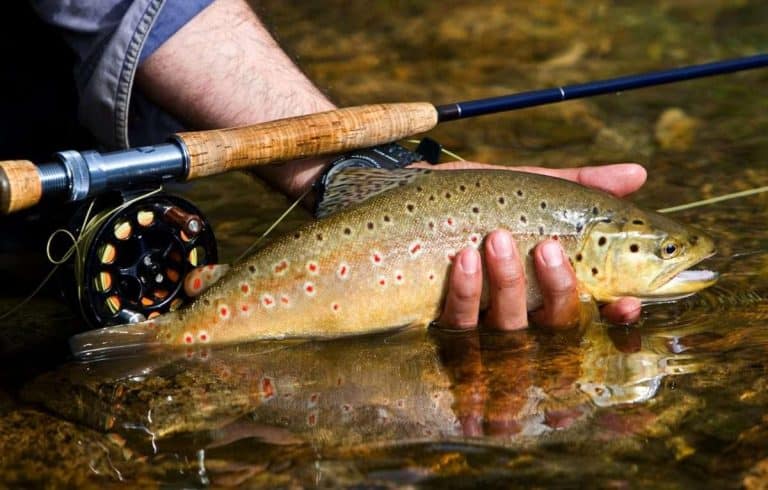
For fly fishing, you need specialized fly rods, fly reels, fly line, and flies. For trolling fishing techniques, you need equipment that can handle constant lure movement behind a boat.
Final Equipment Advice
Start simple, choose balanced gear, and upgrade only when your fishing style becomes clearer. The best fishing equipment is not always the most expensive setup. It is the setup that matches your target fish, location, skill level, and technique.