Fishing Guide: Techniques, Equipment, and Practical Knowledge for Better Fishing
A complete fishing guide for anglers who want to understand fishing techniques, choose the right fishing equipment, follow responsible fishing practices, and build real confidence on the water.
Fishing is more than casting a line and waiting for a bite. It is a combination of skill, observation, preparation, patience, and respect for the environment. A good fishing guide should help beginners understand the basics while also giving experienced anglers a clear path to improve their technique, upgrade their gear, and fish more responsibly.
This page is designed as the main fishing resource for Join RFA. It connects the most important parts of fishing into one clear structure: fishing techniques, fishing equipment, fishing regulations, and fishing sustainability. Each area plays a different role, but together they help anglers make smarter decisions before, during, and after every fishing trip.
What Makes a Good Fishing Guide?
A useful fishing guide does not only list tools or explain one method. It helps anglers understand why certain decisions matter. The type of water, target fish, season, weather, bait, rod action, reel size, line strength, and local rules can all affect the result. When these pieces are understood together, fishing becomes less random and more strategic.
For beginners, the goal is not to buy the most expensive gear or master every advanced method immediately. The goal is to build a strong foundation: learn how fish behave, understand where they feed, practice basic casting, use suitable equipment, and follow local fishing regulations. Once those basics are stable, every new technique becomes easier to learn.
Fishing Techniques: The Skill Side of Fishing
Fishing techniques are the practical methods anglers use to present bait or lures to fish. Different techniques work better in different environments. A calm lake, a fast-moving river, a coastal pier, and offshore water all require different approaches. This is why understanding technique is one of the most important parts of becoming a better angler.
Casting
Casting is one of the first skills every angler should learn. Good casting is not only about distance. Accuracy, line control, timing, and lure placement are often more important than power. In many fishing situations, placing a lure near cover, structure, weed lines, docks, or shaded areas can produce better results than simply casting as far as possible.
Fly Fishing
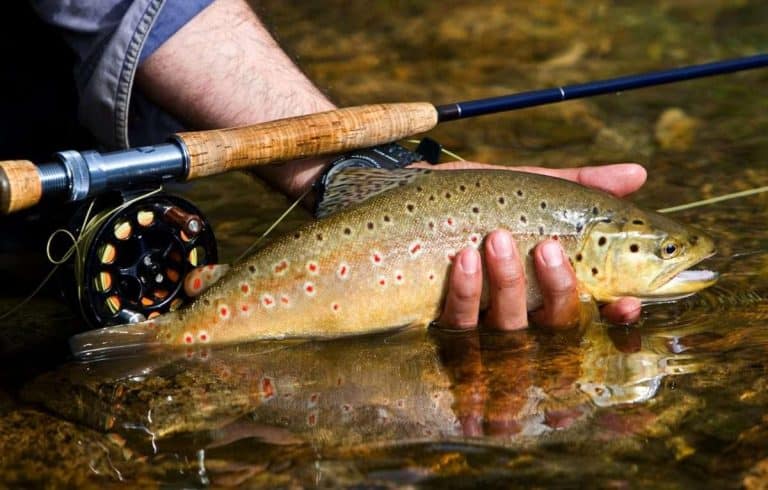
Fly fishing uses lightweight artificial flies and specialized casting techniques. It is often associated with trout streams, but it can also be used in lakes, rivers, and saltwater. Fly fishing rewards observation because the angler must pay attention to insects, water movement, fish feeding behavior, and presentation.
Jigging
Jigging is a technique where the angler moves a weighted lure up and down to imitate injured prey. It can be effective in both freshwater and saltwater because it allows the lure to reach different depths. The key is rhythm. Some fish respond to fast, sharp movements, while others prefer slower, controlled action.
Trolling
Trolling involves moving bait or lures behind a boat. It is commonly used to cover larger areas and locate active fish. Speed, depth, lure type, and route planning all matter. Trolling is especially useful when fish are spread out or when anglers need to search wide sections of water.
To go deeper into each method, visit the full fishing techniques guide, where each technique is explained with practical use cases and beginner-friendly advice.
Fishing Equipment: Choosing Gear That Matches the Trip
Fishing equipment should match the type of fishing you plan to do. A light rod used for small freshwater fish is not suitable for heavy saltwater species. At the same time, oversized gear can make beginner fishing harder than necessary. The best setup is balanced: rod, reel, line, hook, bait, and tackle should work together.
Rod and Reel
For most beginners, a spinning rod and reel combo is the easiest place to start. It is versatile, simple to use, and suitable for many freshwater and light saltwater situations. Rod length, power, and action should be selected based on target fish and fishing location.
Fishing Line
Fishing line affects casting, sensitivity, strength, and control. Monofilament is beginner-friendly and affordable. Braided line is stronger and more sensitive but may require better knot skills. Fluorocarbon is often used as leader material because it is less visible underwater.
Hooks, Lures, and Tackle
Hooks should match bait size and fish size. Lures should match the type of prey fish are likely feeding on. A beginner tackle box does not need to be complicated. A few hooks, sinkers, swivels, soft plastics, small crankbaits, and basic tools are enough for many common fishing trips.
For a complete breakdown of rods, reels, lines, tackle boxes, bait, and beginner setups, read the dedicated fishing equipment guide.
Fishing Regulations: Know the Rules Before You Fish
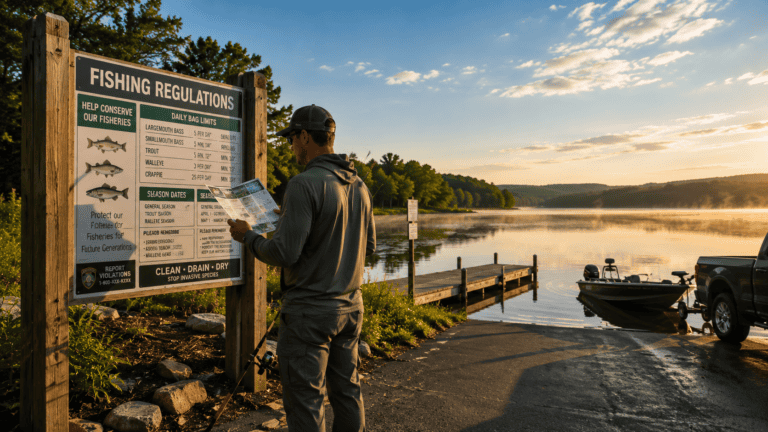
Fishing regulations protect fish populations, habitats, and future access for anglers. These rules may include license requirements, size limits, catch limits, seasonal closures, protected species, and area restrictions. Responsible anglers check local rules before every trip because regulations can vary by state, region, species, and body of water.
Ignoring fishing regulations can harm the environment and may also result in fines. More importantly, it weakens the long-term quality of fishing areas. A strong fishing culture depends on anglers who follow the rules and help preserve healthy fish populations.
Visit the fishing regulations guide to learn how to understand common rules, license requirements, catch limits, and responsible compliance.
Fishing Sustainability: Protecting the Future of Fishing
Sustainable fishing means enjoying the sport while reducing unnecessary harm to fish, water systems, and surrounding habitats. This includes using proper handling methods, releasing fish safely when appropriate, avoiding litter, respecting spawning areas, and choosing gear that minimizes damage.
Catch-and-release fishing is one part of sustainability, but it must be done correctly. Wetting hands before handling fish, using barbless hooks when suitable, minimizing time out of water, and avoiding rough handling can improve survival rates. Small decisions on the water can have a large long-term impact.
Learn more in the fishing sustainability guide, which explains practical ways anglers can support healthier fisheries.
How Beginners Should Start Fishing
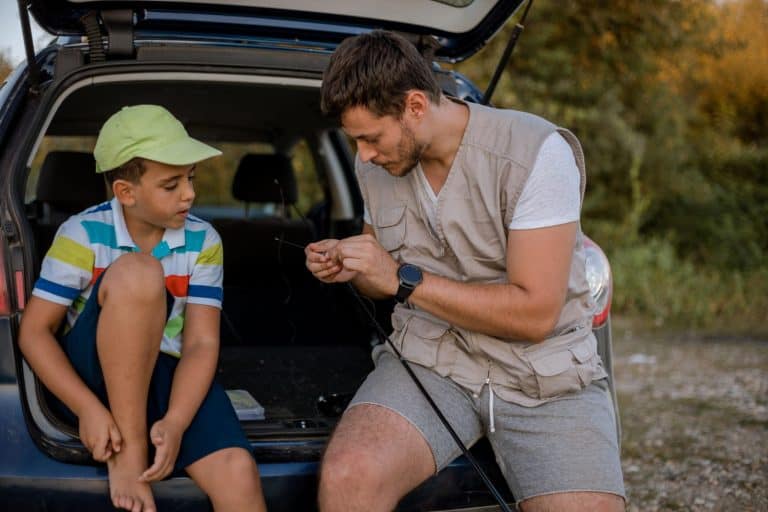
Beginners should start simple. Choose a nearby lake, pond, riverbank, or pier where access is easy. Use a basic spinning setup, simple bait, and a small tackle kit. Focus first on casting, tying knots, reading the water, and understanding how fish react to bait placement.
The first goal is not catching the biggest fish. The first goal is learning the system. Where do fish gather? How does wind affect casting? What happens when the bait is too large? Why does one location produce bites while another does not? These observations build real fishing skill.
Fishing Trip Planning Checklist
- Check local fishing regulations and license requirements.
- Choose target fish and match your gear to that species.
- Prepare rod, reel, line, hooks, bait, and basic tools.
- Review weather, wind, tide, or water conditions.
- Bring sun protection, water, first-aid basics, and safe footwear.
- Pack out all trash and leave the fishing area clean.
Why Fishing Knowledge Compounds Over Time
Fishing rewards consistency. Every trip teaches something new. Even days without a catch can provide useful information about location, weather, water clarity, lure choice, and fish behavior. Over time, these lessons compound into judgment. That judgment is what separates random fishing from skilled fishing.
This is why a structured fishing guide matters. Instead of learning disconnected tips, anglers should build knowledge in layers: first equipment, then basic techniques, then local rules, then sustainability, then advanced methods. This structure helps both beginners and experienced anglers continue improving.
Continue Learning with Our Fishing Guides
Explore the main fishing subtopics below. Each guide supports a different part of your fishing knowledge, from practical technique to responsible fishing.
Fishing Techniques
Learn casting, fly fishing, jigging, trolling, and technique selection.
Read the technique guide →Fishing Equipment
Choose rods, reels, lines, hooks, lures, tackle, and beginner gear.
Explore equipment →Fishing Regulations
Understand licenses, catch limits, protected species, and local rules.
Check regulations →Fishing Sustainability
Fish responsibly with better handling, conservation, and habitat awareness.
Fish responsibly →