Recreational fishing is often discussed through national policy, federal regulations, and conservation programs. But many of the issues that matter most to anglers begin locally. Access points, boat ramps, coastal development, seasonal regulations, local fish populations, and community events all shape how anglers experience the water.
This page serves as a regional community hub for JoinRFA. Its purpose is to connect local fishing identity with the larger policy issues that affect recreational anglers, including fisheries policy, ocean access, fishing regulations, and angler representation.
Why Local Fishing Communities Matter
Fishing policy may be written in hearing rooms, agencies, and management councils, but its effects are first felt in local communities. A regulation can change a season. An access restriction can affect a marina or shoreline. A conservation measure can influence how families, charter captains, and local businesses plan around the water.
Regional fishing communities help turn those local concerns into organized public participation. They provide a way for anglers to share observations, stay informed, support events, and understand how larger policy decisions connect to real fishing opportunities.
For JoinRFA, chapters and regional communities are part of a broader mission: keeping recreational anglers connected to the decisions that affect public fisheries and coastal access.
Regional Advocacy and Public Fishing Access
Public access is one of the clearest examples of why regional fishing voices matter. Access debates can involve beaches, boat ramps, public shorelines, marinas, navigation areas, offshore zones, and traditional fishing grounds.
These issues are rarely abstract for anglers. They affect where people can launch, fish, gather, teach children, or participate in local fishing traditions. When access changes, local communities often feel the impact before broader policy audiences recognize the problem.
Regional fishing groups help connect these local concerns to wider discussions about freedom to fish rights and public use of marine resources. That connection strengthens the relationship between community experience and policy advocacy.
Key Areas of Focus
Fishing Policy
Federal and regional fisheries policy decisions shape access, conservation rules, allocation debates, and recreational fishing opportunities.
Explore Fishing PolicyOcean Access
Public access to coastal waters, shorelines, marinas, and traditional fishing areas remains a central concern for anglers.
Explore Ocean AccessFishing Regulations
Regulations affect seasons, bag limits, size limits, conservation measures, and the everyday experience of recreational fishing.
Explore Fishing RegulationsFishing Events
Local tournaments and community gatherings help preserve fishing traditions and connect anglers across generations.
Explore Fishing EventsHow Regional Communities Support Fisheries Policy
Regional fishing communities often serve as the first source of feedback for fisheries managers and policymakers. Anglers who fish local waters regularly can notice changes in access, participation, stock availability, habitat conditions, and community needs.
Those local observations can become part of broader conversations about congressional fisheries reform, fishery management flexibility, and other policy discussions that influence the future of recreational fishing.
This connection between local experience and national policy is especially important because recreational fishing is diverse and decentralized. A single regulation may affect anglers differently depending on region, species, season, access point, or fishing method.
Community Events and Local Fishing Heritage
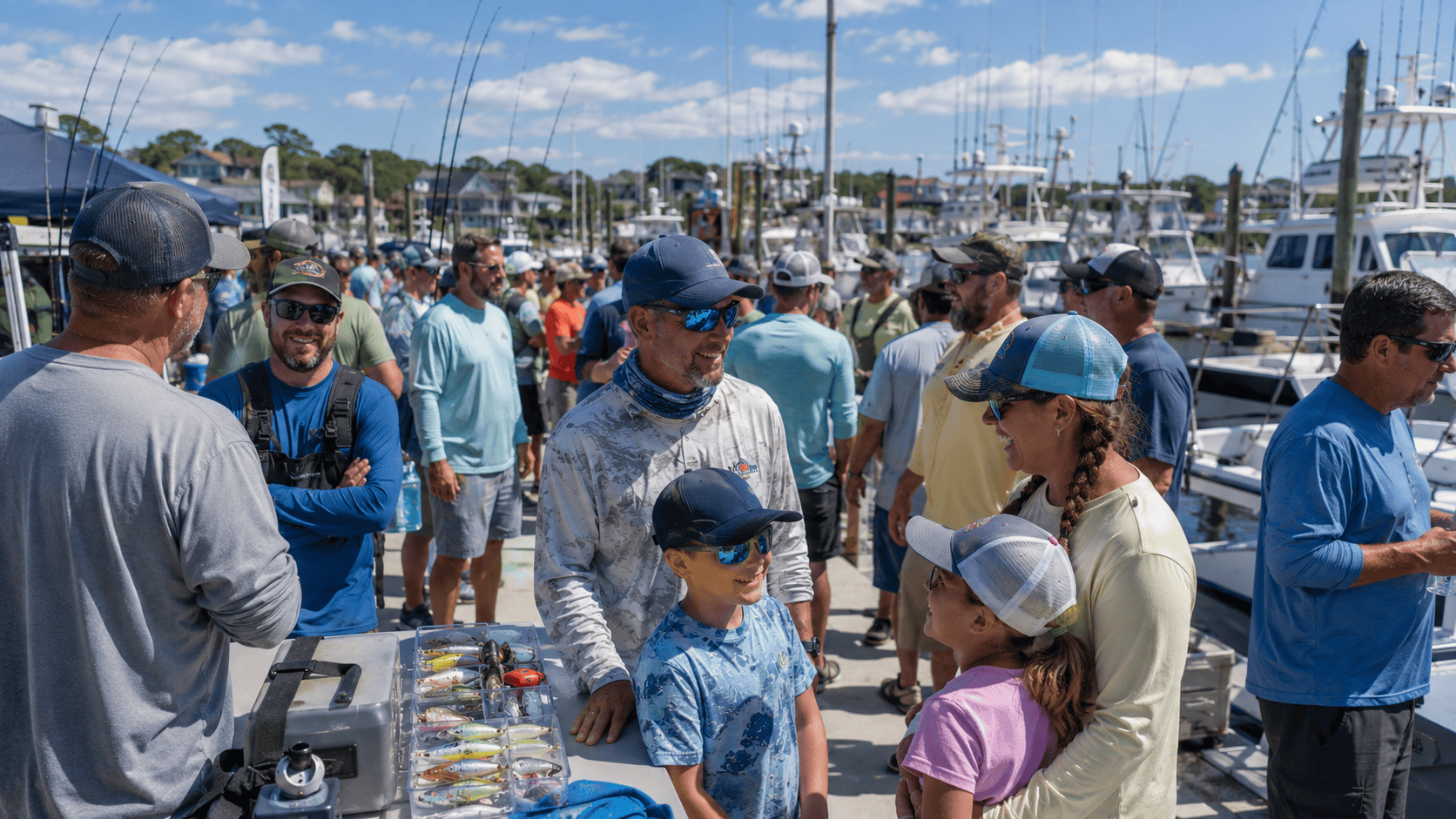
Community fishing events help keep local fishing culture visible. Tournaments, youth fishing days, conservation cleanups, public meetings, and regional gatherings all create opportunities for anglers to connect with one another and with the waters they care about.
Events such as the Bass River Summer Flounder Tournament show how local fishing traditions can support outdoor recreation, conservation awareness, and community identity.
These events also strengthen the social side of fisheries advocacy. They remind people that recreational fishing is not only about harvest or regulations. It is also about families, local businesses, coastal heritage, and public participation.
Connecting Local Anglers to National Issues
Local fishing concerns often connect directly to national issues. Access disputes can become part of larger ocean policy debates. Local regulation concerns can reflect broader questions about data, quotas, or management flexibility. Community conservation work can support long-term sustainable fishing goals.
This is why a regional community hub should not stand alone. It should connect anglers to the wider JoinRFA resource network, including policy explainers, access pages, regulation guides, and event archives.
When local communities are connected to reliable information, they are better prepared to participate in public comment periods, understand regulation changes, and support responsible fisheries management.
JoinRFA Resource Network
Why This Matters for Anglers Today
Regional fishing communities matter because they connect policy to real waters. The anglers who spend time on the water are often the first to notice changes in access, fish populations, habitat conditions, and community needs.
For JoinRFA, this page functions as a bridge between organizational history and the modern resource network. It helps preserve the idea of state chapters while directing readers toward the policy, access, regulation, and event pages that explain the issues recreational anglers continue to face.
As fisheries management becomes more complex, local voices will remain essential. Access debates, conservation planning, offshore development, fisheries reform, and recreational fishing rights all depend on anglers having clear pathways to information and participation.
A strong recreational fishing future requires organized communities, informed anglers, and a clear connection between local experience and broader fisheries policy.