Learn the most important fishing techniques including casting, fly fishing, trolling, and jigging. This guide helps beginners and experienced anglers choose the right method for different waters, fish species, and conditions.
Fishing techniques are the methods anglers use to catch fish effectively. Each technique has a different purpose depending on the environment, target fish, equipment, and water conditions.
Choosing the right technique improves accuracy, increases catch rate, and helps anglers adapt to rivers, lakes, coastal areas, and offshore waters. A good angler does not rely only on gear, but understands how and when to apply the correct method.
The four essential methods are casting, fly fishing, trolling, and jigging. Each one works best in different situations, so learning the strengths of each technique gives you more control on the water.
Start with one of these detailed technique guides.
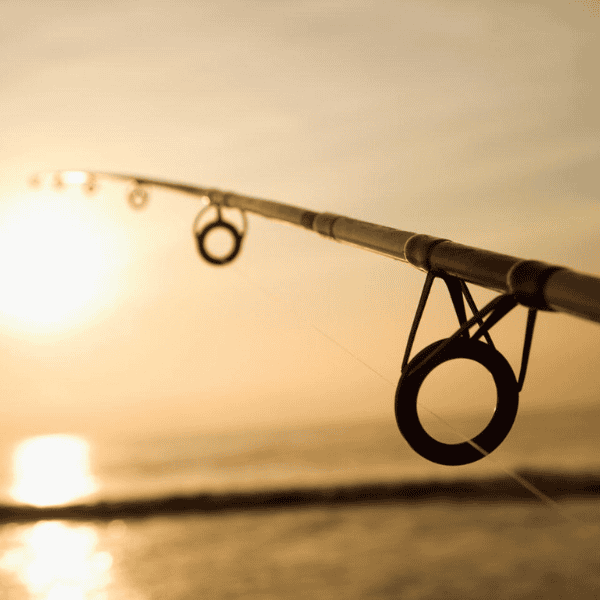
Learn how to cast fishing accurately using overhead, sidearm, pitching, and flipping methods.
Read Casting Guide →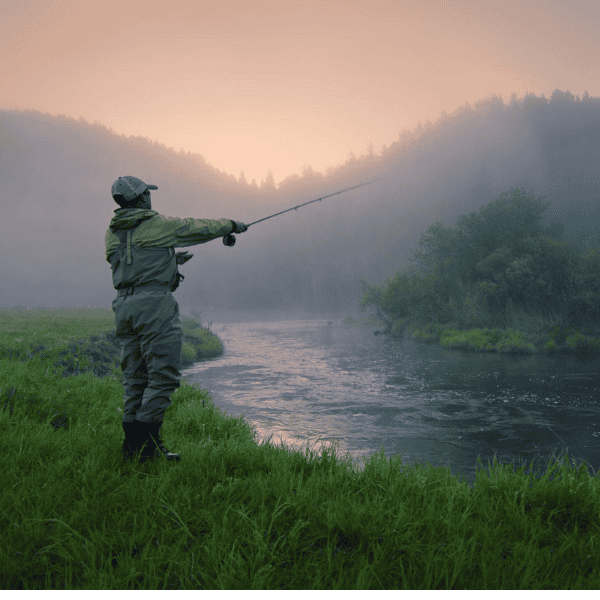
Understand fly rods, fly lines, casting rhythm, and how to present artificial flies naturally.
Read Fly Fishing Guide →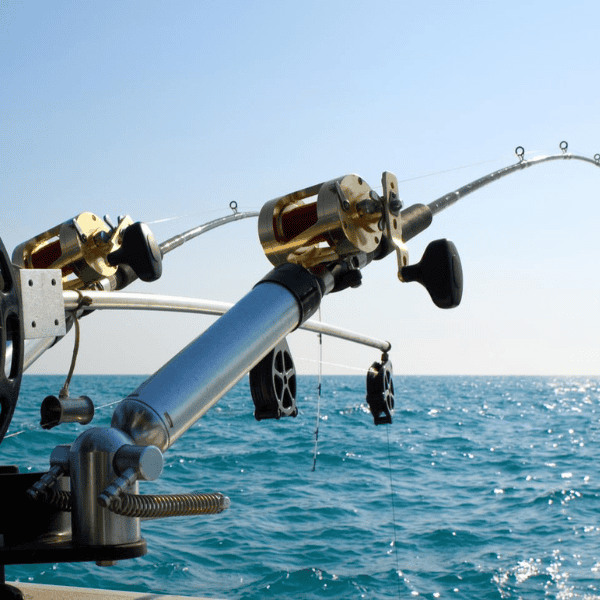
Discover how trolling works, what boat speed to use, and how to cover large water areas.
Read Trolling Guide →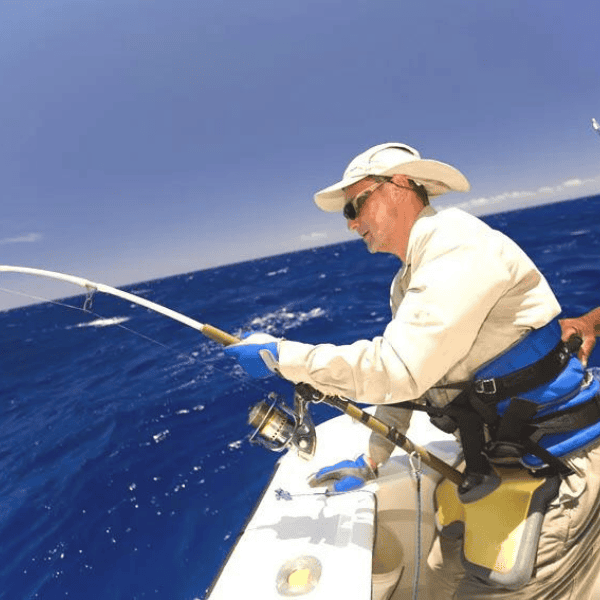
Learn vertical jigging, shore jigging, lure rhythm, and how to target fish in deeper water.
Read Jigging Guide →The best fishing technique depends on water depth, target species, weather, and the type of equipment available. Casting is ideal for precision, trolling is useful for covering distance, jigging works well in deeper areas, and fly fishing is excellent for presentation and finesse.
Beginners should start with casting because it is simple, practical, and works in many environments. Once you understand casting control, you can explore trolling, jigging, and fly fishing based on your fishing goals.